
Alice Hoffmann
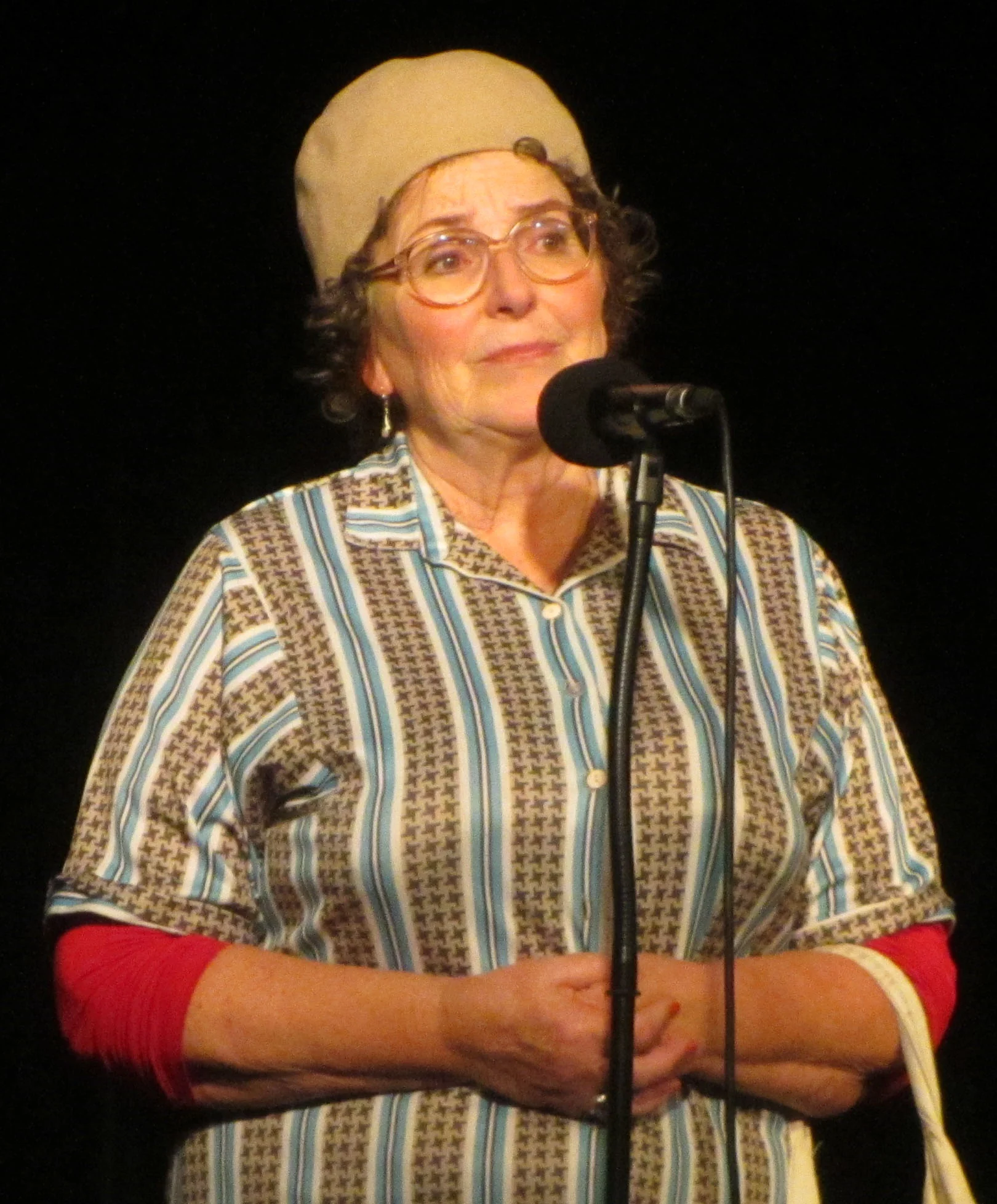
Image from Wikipedia
Image from Wikipedia
Alice Hoffmann – Acting, Cabaret, and Cult Status from Saarland
An artist with a distinctive presence and a strong comedic attitude
Alice Hoffmann, born on September 16, 1951, in Koblenz, is one of the defining faces of the German television, theater, and cabaret landscape. She became well-known primarily as “Hilde Becker” in the ARD comedy series “Familie Heinz Becker” and as “Gerda Braun” in the Saarbrücker “Tatort,” but her artistic profile extends far beyond these cult figures. As an actress, comedian, voice artist, author, presenter, and singer, she has built a career over decades characterized by verbal wit, timing, and a clearly recognizable stage presence. ([alicehoffmann.de](https://www.alicehoffmann.de/?utm_source=openai))
Early Years, Education, and the Path to the Stage
Hoffmann grew up initially in Mainz and later in the Cologne area, including in Rolandswerth. After some semesters studying sociology, psychology, and German studies at the University of Saarland, she decided to pursue an artistic path and completed her acting studies at the Hochschule für Musik und Theater in Saarbrücken. During her training, she made several guest appearances at the Saarland State Theater in Saarbrücken between 1970 and 1972 and passed the radio examination at Saarländischer Rundfunk in 1972. ([de.wikipedia.org](https://de.wikipedia.org/wiki/Alice_Hoffmann?utm_source=openai))
This early combination of theater practice, speech culture, and radio work shaped her later music career in the broader sense of word art: Hoffmann works not only with roles but also with rhythm, tone, and precise comedic timing. This is where the strength of her artistic development lies: she formed an unmistakable style from regional experiences, dialectical roots, and professional acting techniques. ([alicehoffmann.de](https://www.alicehoffmann.de/ueber-alice/?utm_source=openai))
Breakthrough with “Familie Heinz Becker” and National Fame
The significant boost in popularity came with the character of Hilde Becker in “Familie Heinz Becker.” Her official website describes this role as a decisive starting point of her public perception but also categorizes it as only a glimpse of her artistic life. It is precisely this tension between cult figure and artistic versatility that has made Hoffmann's career so enduring: she was not reduced to a single character but remained visible as a performer with her own presence. ([alicehoffmann.de](https://www.alicehoffmann.de/?utm_source=openai))
In “Tatort Saarbrücken,” ARD capitalized on her popularity and cast her starting in 2001 as the secretary of Commissioner Palü. This established Hoffmann permanently in German television and made her one of those actresses who connect regional identity with national recognizability. Her roles thrived less on effects and more on precise observation, pointed facial expressions, and credible everyday comedy. ([alicehoffmann.de](https://www.alicehoffmann.de/ueber-alice/?utm_source=openai))
Stage Work, Cabaret, and the Joy of Direct Contact
Since 1981, Alice Hoffmann has been performing solo on stage with her own programs. Her official site mentions her work as a singer in the jazz cabaret “Alice’s Wunderland,” and solo formats like “Torschlusspanik” shape her profile as a stage artist with a sharp eye for social absurdities. Her performance thrives on proximity to the audience, spontaneous wit, and the ability to transform everyday situations into pointed scenes. ([alicehoffmann.de](https://www.alicehoffmann.de/ueber-alice/?utm_source=openai))
Several reports from the press describe this very mix of verbal wit, cheeky charm, and comedic energy. Audiences often experience Hoffmann as an artist who doesn’t just play her characters but imbues them with precise body work, facial expressions, and linguistic precision. As a result, she creates a stage presence that is simultaneously popular, sharply observant, and professionally balanced. ([alicehoffmann.de](https://www.alicehoffmann.de/?utm_source=openai))
Authorship, Voice, and Media Versatility
Between 1991 and 1999, Hoffmann worked for Saarländischer Rundfunk and WDR not only as a voice artist but also as a writer for satire shows, primarily in the field of dialect cabaret. This work showcases her expertise not just as an interpreter but also as a creator of material, tonality, and punchline structure. Those who look at Hoffmann's career quickly realize: it involves more than acting in the narrow sense; it’s about the overall form of language as a stage. ([de.wikipedia.org](https://de.wikipedia.org/wiki/Alice_Hoffmann?utm_source=openai))
She remained present in other formats, such as TV productions like “Schreinerei Fleischmann,” “SWR Spätschicht,” and “Meister des Alltags.” Her later role in the guessing team of “Meister des Alltags” since 2012 underscores how much she functions as a familiar media figure: self-assured, quick-witted, and approachable at the same time. This blend of competence and charm enhances her status as an authority in the realm of popular entertainment. ([alicehoffmann.de](https://www.alicehoffmann.de/?utm_source=openai))
Current Projects and Continued Stage Presence
Alice Hoffmann remains present in current cultural programs as well. Her official website refers to ongoing and recurring stage formats, including “Torschlusspanik” and other solo events, while regional programs continue to list her as an active artist in 2024 and 2025. This demonstrates a rare consistency: Hoffmann is not just a figure of the past but a vibrant stage personality with ongoing relevance. ([alicehoffmann.de](https://www.alicehoffmann.de/?utm_source=openai))
Her career proves that long-lasting audience engagement does not rely on volume or trend awareness but on recognizability, craftsmanship, and trust. This exactly makes her work in the German-speaking cultural space so enduring. She represents a genre in which acting, cabaret, and observations of daily life intertwine to form a very unique comedic universe. ([alicehoffmann.de](https://www.alicehoffmann.de/?utm_source=openai))
Discography, Musical References, and Cultural Classification
In a narrower sense, Alice Hoffmann does not have a classical musical discography like a pop or rock artist. However, music plays a recognizable role in her stage work, such as in jazz cabaret, musically framed programs, and the interplay of language and rhythm. It is in these formats that her ability to create comedic scenes like small performances with timing, pauses, and musical feel becomes evident. ([alicehoffmann.de](https://www.alicehoffmann.de/?utm_source=openai))
Her cultural influence does not lie in charts or hit singles but in the lasting shaping of German television and stage humor. As Hilde Becker, she became a cult figure; as Gerda Braun, a familiar part of the Saarbrücker “Tatort”; and as a solo artist, the voice of a down-to-earth, precise, and language-sensitive cabaret. This combination of regional roots and national recognition gives her work a special cultural density. ([alicehoffmann.de](https://www.alicehoffmann.de/?utm_source=openai))
Critical Reception and Impact on the Audience
Public reception repeatedly highlights her quick wit, facial comedy, and unmistakable tone. Press reports describe sold-out or well-attended performances where Hoffmann reaches the audience with pointed everyday comedy, a fine sense of environments, and a keen sense of exaggeration. Such feedback demonstrates that her art relies not only on fame but also on skillfully precise live impact. ([blick-aktuell.de](https://www.blick-aktuell.de/Berichte/Viel-Wortwitzund-sportliche-Hoechstleistungen-244903.html?utm_source=openai))
It is precisely this consistency that makes her work exciting: Alice Hoffmann embodies a form of German-language entertainment theater that remains close to language, region, and character observation. Those who experience her live do not receive mere role repetitions but a finely played interplay of humor, experience, and stage intelligence. This keeps her to this day an artist who is not only known but also remembered. ([alicehoffmann.de](https://www.alicehoffmann.de/?utm_source=openai))
Conclusion: Why Alice Hoffmann Continues to Fascinate Today
Alice Hoffmann connects acting, cabaret, dialect, and media presence into a unique artistic biography. Her roles have become cultural trademarks, yet her true strength lies in her adaptability: in her precise performance, linguistic rhythm, and the ability to infuse everyday figures with dignity and humor. Those who appreciate German comedic culture, regionally colored stage art, and strong female figures will find in her an unmistakable personality. ([alicehoffmann.de](https://www.alicehoffmann.de/?utm_source=openai))
A live evening with Alice Hoffmann means closeness, pace, and keen observation. This is where her charm lies: she does not only play characters; she transforms experience into entertainment with attitude. Those who experience her on stage immediately understand why she has been a mainstay of German-speaking culture for decades. ([alicehoffmann.de](https://www.alicehoffmann.de/?utm_source=openai))
Official Channels of Alice Hoffmann:
- Instagram: No official profile found
- Facebook: No official profile found
- YouTube: No official profile found
- Spotify: No official profile found
- TikTok: No official profile found
Sources:
- Alice Hoffmann – The Kittelschürz of the Nation - Official Website
- ABOUT ALICE – Alice Hoffmann - Official Biography
- Wikipedia: Alice Hoffmann - Image and Text Source
- DeWiki: Alice Hoffmann - Biographical Overview
- REPERTOIRE – Alice Hoffmann - Official Website
- FILM – Alice Hoffmann - Official Website
- Blick aktuell - Press Report on a Stage Appearance
- op-online.de - Press Report on Alice Hoffmann in Cabaret
Upcoming Events
Last Minute Panic – Alice Hoffmann